



Why Proper Paint Preparation Matters
Understanding Paint Preparation: What Homeowners Need to Know
Proper surface preparation forms the foundation of any successful painting project. Without good prep work, even premium paints will fail too soon. You’ll see peeling, bubbling, and uneven finishes that hurt your home’s appearance and value.
Why You Cannot Skip Surface Preparation
Many homeowners underestimate the time and effort needed before the first coat goes on. Surface prep makes up 70 to 80 percent of a quality paint job. Cairnbrook’s seasonal temperature swings and humidity changes make this step even more important. Improperly prepared surfaces expand and contract differently than paint films. This causes adhesion failures.
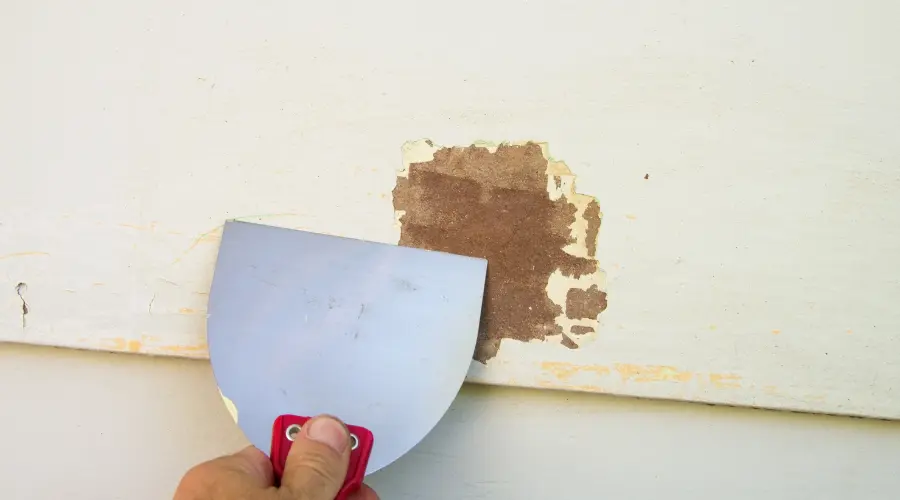
Cleaning removes dirt, grease, mildew, and chalky residue. These things prevent paint from bonding. Scraping gets rid of loose or flaking material. Sanding smooths rough patches and creates texture for better adhesion. Priming seals porous surfaces, blocks stains, and provides a uniform base coat. Each of these tasks directly impacts how long your finish will last.
Common Preparation Mistakes That Cost Homeowners
Skipping the cleaning phase ranks among the most frequent errors. Dust and cobwebs might seem harmless. But they create an invisible barrier between paint and substrate. Grease from kitchens or handling requires degreasing agents, not just water.
Another mistake involves insufficient repair work. Small cracks and holes show through new paint. They become more noticeable rather than hidden. You must cut out wood rot and replace it. Drywall damage needs proper patching compound, not just spackle. Metal surfaces require rust removal and conversion primers.
Pennsylvania’s winter freeze-thaw cycles cause exterior wood to develop splits and checks. These defects trap moisture when you paint over them. This leads to rapid deterioration. Proper caulking around trim, windows, and doors prevents water intrusion. Water undermines even the best surface preparation.
How Weather Affects Your Preparation Timeline
Temperature and humidity control when prep work can occur. They also affect how materials perform. Most patching compounds and primers need temperatures above 50 degrees Fahrenheit to cure properly. Spring and fall in Cairnbrook often bring morning dew. The dew must dry completely before sanding or priming begins.
Exterior projects demand careful weather monitoring. Rain within 24 hours of priming can ruin adhesion. High humidity slows drying times. It may cause latex primers to remain tacky. Plan prep work during stable weather windows. Late spring through early fall works best for outdoor surfaces.
Interior preparation faces fewer weather constraints. But it still requires attention to environmental conditions. Basement and bathroom surfaces need extra drying time after cleaning due to natural moisture. Proper ventilation speeds curing. It prevents trapped solvents from causing odor issues.
The Right Tools Make Preparation Efficient
Quality scrapers with sharp, replaceable blades remove old paint faster. They cause less damage to underlying surfaces. Carbide or diamond grit sanding blocks tackle rough masonry and concrete. Random orbital sanders smooth large areas quickly. They minimize swirl marks that show through satin and semi-gloss finishes.
Caulking guns with smooth triggers allow precise bead control. Angled sash brushes cut clean primer lines at trim edges. Extension poles eliminate ladder moves during ceiling prep. Investing in proper equipment reduces fatigue and improves results.
Drop cloths, masking tape, and plastic sheeting protect finished surfaces and belongings. Canvas cloths absorb spills better than plastic. They won’t slip underfoot. Blue painter’s tape removes cleanly from most surfaces when pulled within the maker’s timeframe. This is usually seven to 14 days.
When to Consider Professional Preparation Services
Certain situations exceed typical homeowner capabilities or available time. Lead paint is common in homes built before 1978. It requires certified containment and disposal procedures. Extensive exterior scraping on two-story homes involves fall risks. Trained crews manage these risks with proper safety equipment.
Severely damaged substrates need expert assessment. What appears as simple peeling might indicate underlying moisture problems. It could signal failed house wrap or structural issues. These require correction before painting proceeds. Professional preparation services identify these root causes. They address them properly.
Time constraints often make professional prep worthwhile. What takes homeowners multiple weekends gets done in days by experienced teams. They use industrial equipment. This speed matters when weather windows close. It also matters when interior projects disrupt daily routines.